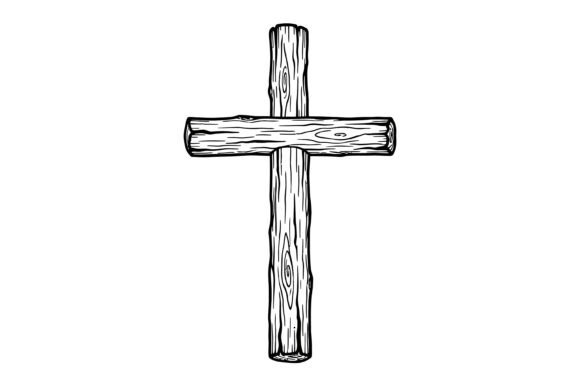
Review: Rustic Wooden Cross Vintage Design
As a designer who spends more time staring at stitch simulations than I do sleeping, I have learned to be skeptical of "vintage" labels. Too often, they translate to muddy lines or overly complex details that turn into a bird’s nest under the needle. However, when I loaded the Rustic Wooden Cross Vintage Design into my workspace, the first thing that struck me was its restraint. This is not just another religious icon; it is a carefully balanced piece of art that respects the limitations and strengths of embroidery.
The design features a hand-drawn aesthetic that mimics the grain and texture of aged wood. For those of us creating T-Shirt Designs or Graphics for print-on-demand, this level of texture can sometimes look messy. But in embroidery, where we rely on thread direction and density to create depth, this rustic approach offers a unique advantage. It allows the stitcher to play with thread sheen and color variation in a way that flat vector art simply cannot match.
First Impressions and Visual Mood
The mood here is unmistakably warm and grounded. The cross does not feel imposing or strictly ceremonial; instead, it feels like a heirloom object you might find on a farmhouse shelf. The layout is centered and balanced, making it versatile for various placements. Whether you are working on a left-chest logo for a boutique brand or a large back piece for a hoodie, the symmetry holds up well.
What I appreciate most is the "handdrawn" quality mentioned in the description. In digital formats like SVG and EPS, these imperfections are often smoothed out by software, losing their character. Here, the slight irregularities in the wood grain simulation provide natural breaks in the stitch pattern. This is crucial for preventing the "plastic" look that plagues so many modern machine embroidery design files. It invites the viewer to look closer, adding a layer of tactile interest even before the item is stitched.
Real-World Application: The Tote Bag Test
To truly evaluate a design, you have to imagine it on fabric. I recently worked on a project for a local craft fair vendor who needed a neutral, faith-based item that would appeal to a broad demographic. We chose a heavy canvas tote bag design as the vehicle for this cross. Canvas is unforgiving; it shows every gap in coverage and every puckering issue.
The Rustic Wooden Cross Vintage Design performed exceptionally well here. Because the design simulates wood grain, it does not require 100% solid coverage to look complete. The negative space between the "grain" lines allows the fabric to breathe, reducing the overall stitch density. This meant less pull on the canvas and a cleaner finish without excessive backing. The result was a sophisticated, understated look that felt high-end rather than mass-produced. It transformed a simple bag into a meaningful personalized gift or a staple small shop product.
Versatility Across Product Lines
Beyond tote bags, this design shines in several other categories. For sweatshirt embroidery, the rustic theme pairs beautifully with heathered fabrics. The texture of the fleece complements the visual texture of the wood grain. If you are an Etsy seller looking to expand your design assets, consider using this on aprons or kitchen towels. The religious and rustic themes align perfectly with the current trend toward cozy, home-centered decor.
For baby embroidery, caution is advised regarding size, but the softness of the concept works if scaled down appropriately. A small version on a muslin swaddle or a nursery pillow cover can serve as a gentle, spiritual accent without being overpowering. It also makes for excellent holiday embroidery, particularly for Easter or Christmas gifts where traditional symbols are in high demand.
Technical Considerations for Stitchers
While the design is robust, it is not without its technical demands. The simulation of wood grain implies varying stitch directions. If you are digitizing this yourself from the provided SVG or EPS files, pay close attention to how you map the fill stitch angles. Randomizing the angles slightly can enhance the wooden effect, but ensure there are no sharp transitions that could cause thread breaks.
If you are using the pre-digitized versions (if available in your specific package), check the hoop size requirements. This design likely benefits from a medium to large hoop to allow the details to resolve clearly. On smaller hoops, such as those used for embroidered patch creation or cap fronts, the finer details of the wood grain might merge together. In these cases, simplifying the design or increasing the scale is necessary to maintain clarity.
Fabric choice matters immensely. On thin or stretchy fabrics, the density of the wood grain effect could cause puckering. Always use a appropriate stabilizer—I recommend a cut-away for garments that will be washed frequently, as the design has enough mass to benefit from the long-term support. For textured fabrics like linen or burlap, the design integrates seamlessly, hiding minor stitching inconsistencies within its own rugged aesthetic.
Commercial Viability and Branding
For commercial embroidery professionals, this design is a strong asset. It fits into the "modern farmhouse" and "faith-inspired" niches, which remain consistently profitable. The vintage appeal gives it longevity; it does not look tied to a specific fleeting trend. This makes it a safe investment for your library of digital embroidery file resources.
When creating printable mockup images for your online store, remember that this design relies on contrast. On dark fabrics, ensure you are using high-sheen threads like rayon or polyester to make the "wood" pop against the background. On light fabrics, matte cotton threads can enhance the rustic, natural feel. Testing the design in black and white mockups can help you verify that the shape remains recognizable even without color differentiation.
Final Verdict and Designer Notes
The Rustic Wooden Cross Vintage Design is a thoughtful addition to any designer’s toolkit. It bridges the gap between traditional religious symbolism and contemporary rustic decor trends. It is not just a graphic; it is a texture study that translates surprisingly well to thread.
Before you commit to a large production run or list it as a premium custom apparel option, take these practical steps:
- Test on scrap fabric: Always stitch out a sample on the exact material you plan to use. Check for puckering and thread breaks.
- Check thread contrast: Ensure your thread colors provide enough distinction to highlight the wood grain effect.
- Verify licensing: The product description mentions editable files like SVG and EPS. Confirm whether the license allows for commercial sale of finished physical items, especially if you are modifying the design.
- Inspect small details: Zoom in on the digital file to ensure there are no stray nodes or overlapping paths that could confuse your embroidery machine.
- Consider the end user: Think about who will receive this finished product. Is it a gift? A retail item? The perceived value should match the effort required to stitch it.
In conclusion, this design offers a blend of aesthetic charm and technical feasibility. It respects the craft of embroidery by providing a layout that works with the medium, not against it. For craft business owners and hobbyists alike, it is a reliable choice for creating meaningful, high-quality items that resonate with customers seeking authenticity and faith in their everyday objects.